Casinò stranieri e giri gratuiti: la tua guida alle migliori offerte


I casinò online stranieri offrono opportunità uniche per i giocatori in cerca di giri gratuiti e bonus senza deposito. Questa guida esplorerà le migliori offerte disponibili per chi desidera divertirsi senza dover affrontare la burocrazia tipica dei casinò con licenza italiana. Con una registrazione veloce e senza verifica dell’identità, i casinò esteri possono fornire un’esperienza di gioco immediata e appagante grazie a bonus immediato senza deposito e senza documento stranieri che rendono l’accesso ai giochi ancora più semplice.

Punto di partenza chiaro per il casinò

I casinò online stanno guadagnando sempre più popolarità tra i giocatori italiani, e i casinò stranieri non fanno eccezione. Queste piattaforme offrono una vasta gamma di giochi, promozioni e opportunità che possono superare quelle rese disponibili dai casinò locali. Inoltre, molti casinò online stranieri presentano vantaggi significativi, come bonus senza deposito, giri gratuiti, e processi di registrazione più semplici, rendendo l’accesso al gioco molto più rapido e diretto.

Questo articolo si concentrerà sulle opportunità offerte dai casinò online stranieri, evidenziando come i giocatori possano approfittare di queste offerte senza dover affrontare complicazioni burocratiche. Inoltre, esploreremo i principali vantaggi e le caratteristiche dei migliori casinò online.

Come iniziare con i casinò online stranieri

Per trarre il massimo vantaggio dai casinò stranieri e dalle loro offerte, è importante seguire alcuni passaggi fondamentali. Ecco una guida dettagliata su come iniziare:

  1. Seleziona un Casinò Straniero: Scegli un casinò con una buona reputazione e che offra bonus attrattivi.
  2. Registrati: Completa una registrazione veloce senza necessità di verifica dell’identità immediata.
  3. Richiedi i Bonus: Approfitta dei bonus senza deposito disponibili al momento della registrazione.
  4. Inizia a Giocare: Seleziona i tuoi giochi preferiti e inizia a divertirti con i giri gratuiti o con i premi in denaro.
  5. Effettua un Prelievo (se necessario): Assicurati di verificare la politica di prelievo, che potrebbe richiedere la verifica KYC.
  • Registrazione semplificata senza documenti.
  • Accesso immediato a bonus senza deposito.
  • Una vasta selezione di giochi disponibili.

Dettagli pratici sui casinò online stranieri

Quando si parla di casinò online stranieri, è fondamentale considerare vari aspetti pratici. Molti di questi casinò sono regolamentati da autorità come la Malta Gaming Authority (MGA) o il governo di Curaçao, garantendo un certo livello di sicurezza e trasparenza. Questa regolamentazione offre ai giocatori una certa tranquillità, sapendo che i loro fondi e le informazioni personali sono protetti.

Inoltre, uno dei principali vantaggi di questi casinò è la possibilità di registrarsi senza dover fornire documenti immediatamente. Questo significa che i giocatori possono iniziare a divertirsi senza interminabili procedure burocratiche. Tuttavia, si ricorda che potrebbe essere richiesta una verifica dell’identità prima di effettuare prelievi significativi, nel rispetto delle normative KYC.

  • Accesso a una varietà di giochi, dai classici ai nuovi titoli.
  • Bonus immediati all’iscrizione come giri gratuiti e premi in denaro.
  • Piattaforme user-friendly e assistenza clienti disponibile.

Questi dettagli pratici possono significativamente migliorare l’esperienza di gioco, aiutando i nuovi giocatori a navigare nel mondo dei casinò online stranieri con maggiore facilità.

Benefici chiave dei casinò online stranieri

Scegliere un casinò online straniero può portare a numerosi vantaggi. In primo luogo, la possibilità di ricevere bonus senza deposito consente ai giocatori di provare il casinò senza rischiare i propri fondi. Inoltre, i giri gratuiti aumentano le opportunità di vincita, permettendo di sperimentare una varietà di giochi senza alcun impegno finanziario.

  • Facilità di accesso a promozioni più generose.
  • Opzioni di gioco diversificate rispetto ai casinò italiani.
  • Registrazione rapida e senza stress.
  • Tassazione favorevole su vincite in alcuni paesi.

Questi vantaggi rendono i casinò online stranieri una scelta allettante per molti giocatori, specialmente per coloro che cercano un’esperienza di gioco più flessibile e proficua.

Fiducia e sicurezza nei casinò online

La sicurezza è una priorità fondamentale quando si gioca online. I casinò stranieri regolamentati devono seguire rigide normative per garantire che i fondi dei giocatori siano protetti. La licenza ottenuta da autorità come la MGA o Curaçao è un segno di affidabilità, poiché questi enti svolgono controlli regolari sui casinò per assicurare la loro conformità.

Inoltre, la mancanza di verifica immediata dei documenti offre un ulteriore vantaggio: i giocatori possono iniziare a divertirsi subito. Tuttavia, è importante notare che i casinò possono richiedere la verifica dell’identità prima di elaborare prelievi significativi per garantire la sicurezza delle transazioni. Pertanto, è consigliabile avere documenti a disposizione per facilitare questo processo in futuro.

  • Licenze rilasciate da enti affidabili.
  • Protezione dei dati e delle transazioni attraverso crittografia.
  • Supporto clienti disponibile per risolvere eventuali problemi.

Perché scegliere i casinò online stranieri

Scegliere un casinò online straniero può sembrare un passo audace, ma in realtà può portare a un’esperienza di gioco più gratificante. I vantaggi come i bonus senza deposito, i giri gratuiti e la registrazione veloce offrono un modo unico per immergersi nel divertimento senza le complicazioni tipiche dei casinò nazionali. Con una selezione più ampia di giochi e promozioni generose, i casinò stranieri rappresentano una valida alternativa per chi cerca nuove avventure nel mondo del gioco online.

La libertà di giocare in un ambiente meno burocratico, unita alla possibilità di vincere premi in denaro senza il rischio iniziale, rende questi casinò un’opzione irresistibile per gli appassionati del gaming.

Casino Meeting Rooms


Casino meeting rooms provide enclosed spaces for business discussions, presentations, and organized gatherings. They are often part of a hotel or conference section, allowing participants to use accommodation and dining services within the same property.

Room layouts vary with the purpose of a meeting. Rows of chairs suit a presentation, while grouped tables support discussion. Displays, microphones, power outlets, and connections for presentation equipment need to match the intended arrangement.

Within a larger property, this subject connects to services that visitors may not immediately notice. Staff schedules, delivery routes, storage areas, and cleaning routines all influence how a public space operates. Coordination between these activities helps the visible part of the venue remain consistent during both quiet hours and periods of heavier use.

The size of a property influences how responsibilities are divided. A smaller venue may use a compact team across several functions, while a larger complex can support specialized departments. In either case, visitors encounter the combined result, so communication between the people delivering different services remains an important practical concern.

The wider setting also matters. A property beside a busy street faces different arrival patterns from one reached mainly by private transport. Nearby hotels, event spaces, and public routes can influence the flow of visitors, making the relationship between the venue and its surroundings part of everyday operational planning.

A meeting room works best when practical details support the event without becoming a distraction for its participants. Its role becomes clearer when viewed alongside the rest of the building, including the routes, services, and staff activities that connect the individual area with the wider experience of visiting an entertainment property.

Casino Meeting Rooms


Casino meeting rooms provide enclosed spaces for business discussions, presentations, and organized gatherings. They are often part of a hotel or conference section, allowing participants to use accommodation and dining services within the same property.

Room layouts vary with the purpose of a meeting. Rows of chairs suit a presentation, while grouped tables support discussion. Displays, microphones, power outlets, and connections for presentation equipment need to match the intended arrangement.

Within a larger property, this subject connects to services that visitors may not immediately notice. Staff schedules, delivery routes, storage areas, and cleaning routines all influence how a public space operates. Coordination between these activities helps the visible part of the venue remain consistent during both quiet hours and periods of heavier use.

The size of a property influences how responsibilities are divided. A smaller venue may use a compact team across several functions, while a larger complex can support specialized departments. In either case, visitors encounter the combined result, so communication between the people delivering different services remains an important practical concern.

The wider setting also matters. A property beside a busy street faces different arrival patterns from one reached mainly by private transport. Nearby hotels, event spaces, and public routes can influence the flow of visitors, making the relationship between the venue and its surroundings part of everyday operational planning.

A meeting room works best when practical details support the event without becoming a distraction for its participants. Its role becomes clearer when viewed alongside the rest of the building, including the routes, services, and staff activities that connect the individual area with the wider experience of visiting an entertainment property.

Casino Meeting Rooms


Casino meeting rooms provide enclosed spaces for business discussions, presentations, and organized gatherings. They are often part of a hotel or conference section, allowing participants to use accommodation and dining services within the same property.

Room layouts vary with the purpose of a meeting. Rows of chairs suit a presentation, while grouped tables support discussion. Displays, microphones, power outlets, and connections for presentation equipment need to match the intended arrangement.

Within a larger property, this subject connects to services that visitors may not immediately notice. Staff schedules, delivery routes, storage areas, and cleaning routines all influence how a public space operates. Coordination between these activities helps the visible part of the venue remain consistent during both quiet hours and periods of heavier use.

The size of a property influences how responsibilities are divided. A smaller venue may use a compact team across several functions, while a larger complex can support specialized departments. In either case, visitors encounter the combined result, so communication between the people delivering different services remains an important practical concern.

The wider setting also matters. A property beside a busy street faces different arrival patterns from one reached mainly by private transport. Nearby hotels, event spaces, and public routes can influence the flow of visitors, making the relationship between the venue and its surroundings part of everyday operational planning.

A meeting room works best when practical details support the event without becoming a distraction for its participants. Its role becomes clearer when viewed alongside the rest of the building, including the routes, services, and staff activities that connect the individual area with the wider experience of visiting an entertainment property.

Casino Meeting Rooms


Casino meeting rooms provide enclosed spaces for business discussions, presentations, and organized gatherings. They are often part of a hotel or conference section, allowing participants to use accommodation and dining services within the same property.

Room layouts vary with the purpose of a meeting. Rows of chairs suit a presentation, while grouped tables support discussion. Displays, microphones, power outlets, and connections for presentation equipment need to match the intended arrangement.

Within a larger property, this subject connects to services that visitors may not immediately notice. Staff schedules, delivery routes, storage areas, and cleaning routines all influence how a public space operates. Coordination between these activities helps the visible part of the venue remain consistent during both quiet hours and periods of heavier use.

The size of a property influences how responsibilities are divided. A smaller venue may use a compact team across several functions, while a larger complex can support specialized departments. In either case, visitors encounter the combined result, so communication between the people delivering different services remains an important practical concern.

The wider setting also matters. A property beside a busy street faces different arrival patterns from one reached mainly by private transport. Nearby hotels, event spaces, and public routes can influence the flow of visitors, making the relationship between the venue and its surroundings part of everyday operational planning.

A meeting room works best when practical details support the event without becoming a distraction for its participants. Its role becomes clearer when viewed alongside the rest of the building, including the routes, services, and staff activities that connect the individual area with the wider experience of visiting an entertainment property.

Casino Gaming Machines


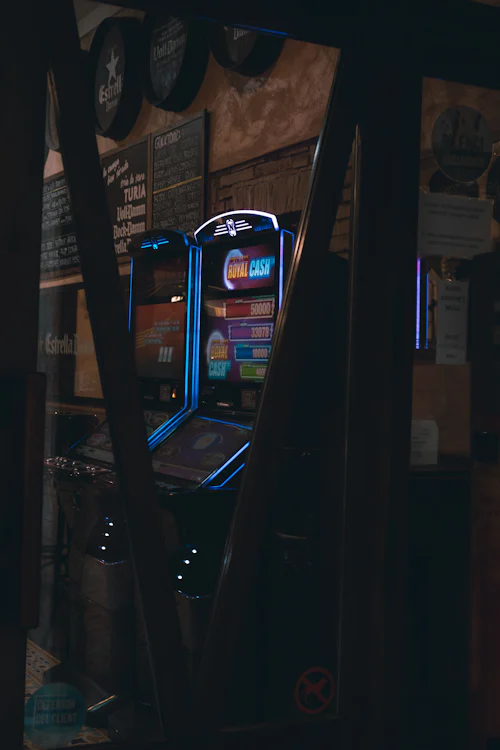
Casino gaming machines are electronic devices used for individual gaming activities. Cabinets, screens, controls, seating, and surrounding circulation space together define the physical setting in which a visitor interacts with a machine.

From a facilities perspective, equipment placement must account for power, ventilation, cleaning, and maintenance access. Rows of devices also influence sight lines and walking routes, so their arrangement is part of the wider floor plan.

Public entertainment properties bring together people with different expectations and levels of familiarity with the building. Some visitors follow a planned schedule, while others explore the available facilities. Clear information and recognizable service points help both groups make practical decisions without needing to understand the internal organization of the property.

Periodic review allows a property to compare its intended arrangements with actual daily use. Useful questions concern access, comfort, waiting, maintenance, and the clarity of information. These observations do not require every space to look the same; they help each area perform its particular role within the larger venue.

Consistency does not mean that every area must have an identical character. A property can contain quiet rooms, active public spaces, and formal service settings while using the same underlying approach to directions and communication. This combination allows variety without requiring visitors to learn a completely new system at every doorway.

The machine area connects digital equipment with an ordinary public interior that still depends on accessibility and reliable upkeep. The details may differ between properties, but examining how people use the space provides a consistent way to understand its purpose and identify the everyday connections that support the complete visitor experience.

Casino Gaming Machines


Casino gaming machines are electronic devices used for individual gaming activities. Cabinets, screens, controls, seating, and surrounding circulation space together define the physical setting in which a visitor interacts with a machine.

From a facilities perspective, equipment placement must account for power, ventilation, cleaning, and maintenance access. Rows of devices also influence sight lines and walking routes, so their arrangement is part of the wider floor plan.

Public entertainment properties bring together people with different expectations and levels of familiarity with the building. Some visitors follow a planned schedule, while others explore the available facilities. Clear information and recognizable service points help both groups make practical decisions without needing to understand the internal organization of the property.

Periodic review allows a property to compare its intended arrangements with actual daily use. Useful questions concern access, comfort, waiting, maintenance, and the clarity of information. These observations do not require every space to look the same; they help each area perform its particular role within the larger venue.

Consistency does not mean that every area must have an identical character. A property can contain quiet rooms, active public spaces, and formal service settings while using the same underlying approach to directions and communication. This combination allows variety without requiring visitors to learn a completely new system at every doorway.

The machine area connects digital equipment with an ordinary public interior that still depends on accessibility and reliable upkeep. The details may differ between properties, but examining how people use the space provides a consistent way to understand its purpose and identify the everyday connections that support the complete visitor experience.

Casino Restaurants


Casino restaurants provide dining services within a wider entertainment setting. They can range from small counters offering simple meals to formal dining rooms with reservations, dedicated kitchens, and a service style that is separate from the gaming floor.

Menus, seating arrangements, and opening hours reflect the intended audience of each restaurant. A venue serving theatre guests may experience a concentrated rush before a performance, while a hotel restaurant may receive customers throughout the day.

Changes within one department can affect several others. Moving an entrance, altering an event schedule, or temporarily closing a service point may change visitor routes and staff workloads elsewhere. Communicating these changes in advance makes it easier for different teams to provide consistent information and adjust their own preparations.

Periodic review allows a property to compare its intended arrangements with actual daily use. Useful questions concern access, comfort, waiting, maintenance, and the clarity of information. These observations do not require every space to look the same; they help each area perform its particular role within the larger venue.

Temporary conditions can reveal details that are less noticeable during routine operation. A busy performance, a maintenance closure, or a change in weather may alter how people use the building. Reviewing these situations helps teams prepare practical alternatives and keep their explanations consistent when the normal arrangement is unavailable.

Dining becomes a distinct part of the visitor experience when its atmosphere and service remain consistent during busy periods. Considering the visitor journey together with the work performed behind the scenes gives a more complete understanding of the subject than an assessment based entirely on appearance or on a single moment of use.

Casino Restaurants


Casino restaurants provide dining services within a wider entertainment setting. They can range from small counters offering simple meals to formal dining rooms with reservations, dedicated kitchens, and a service style that is separate from the gaming floor.

Menus, seating arrangements, and opening hours reflect the intended audience of each restaurant. A venue serving theatre guests may experience a concentrated rush before a performance, while a hotel restaurant may receive customers throughout the day.

Changes within one department can affect several others. Moving an entrance, altering an event schedule, or temporarily closing a service point may change visitor routes and staff workloads elsewhere. Communicating these changes in advance makes it easier for different teams to provide consistent information and adjust their own preparations.

Periodic review allows a property to compare its intended arrangements with actual daily use. Useful questions concern access, comfort, waiting, maintenance, and the clarity of information. These observations do not require every space to look the same; they help each area perform its particular role within the larger venue.

Temporary conditions can reveal details that are less noticeable during routine operation. A busy performance, a maintenance closure, or a change in weather may alter how people use the building. Reviewing these situations helps teams prepare practical alternatives and keep their explanations consistent when the normal arrangement is unavailable.

Dining becomes a distinct part of the visitor experience when its atmosphere and service remain consistent during busy periods. Considering the visitor journey together with the work performed behind the scenes gives a more complete understanding of the subject than an assessment based entirely on appearance or on a single moment of use.

Casino Restaurants


Casino restaurants provide dining services within a wider entertainment setting. They can range from small counters offering simple meals to formal dining rooms with reservations, dedicated kitchens, and a service style that is separate from the gaming floor.

Menus, seating arrangements, and opening hours reflect the intended audience of each restaurant. A venue serving theatre guests may experience a concentrated rush before a performance, while a hotel restaurant may receive customers throughout the day.

Changes within one department can affect several others. Moving an entrance, altering an event schedule, or temporarily closing a service point may change visitor routes and staff workloads elsewhere. Communicating these changes in advance makes it easier for different teams to provide consistent information and adjust their own preparations.

Periodic review allows a property to compare its intended arrangements with actual daily use. Useful questions concern access, comfort, waiting, maintenance, and the clarity of information. These observations do not require every space to look the same; they help each area perform its particular role within the larger venue.

Temporary conditions can reveal details that are less noticeable during routine operation. A busy performance, a maintenance closure, or a change in weather may alter how people use the building. Reviewing these situations helps teams prepare practical alternatives and keep their explanations consistent when the normal arrangement is unavailable.

Dining becomes a distinct part of the visitor experience when its atmosphere and service remain consistent during busy periods. Considering the visitor journey together with the work performed behind the scenes gives a more complete understanding of the subject than an assessment based entirely on appearance or on a single moment of use.